
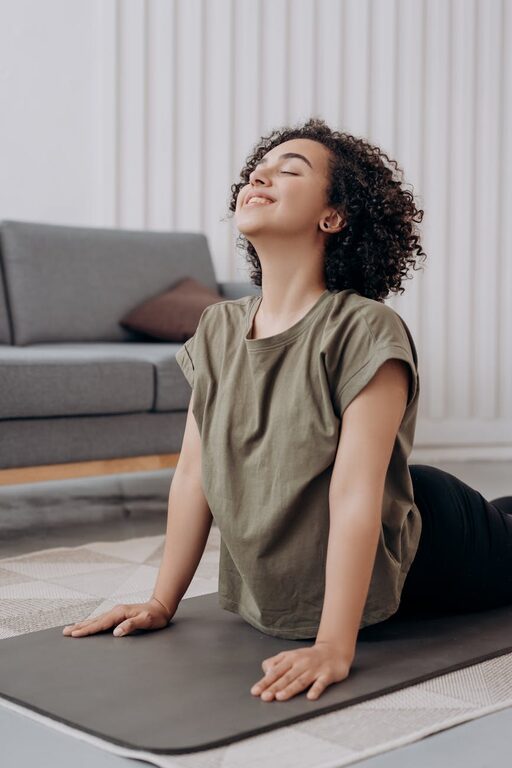
Stretching is a simple yet powerful way to improve your overall health and well-being. Whether you want to increase flexibility, reduce muscle tension, or prepare your body for physical activity, regular stretching can make a noticeable difference. The best part? You don’t need a gym or fancy equipment. Stretching at home is convenient, affordable, and can fit into even the busiest schedules.
In this beginner’s guide, we’ll walk you through the essentials of stretching at home, including benefits, tips for safe practice, and easy stretches to get started.
Why Stretching Matters
Stretching offers a variety of benefits beyond just feeling more limber:
– Improves flexibility: Regular stretching helps lengthen muscles and tendons, making movement easier.
– Enhances posture: Tight muscles can cause poor posture; stretching can help align your body.
– Reduces risk of injury: Keeping muscles flexible decreases the chance of strains and sprains.
– Relieves muscle tension: Stretching can soothe tightness and promote relaxation.
– Boosts blood circulation: Increased blood flow supports muscle recovery and overall health.
By incorporating stretching into your daily routine, you can improve not only physical performance but also reduce stress levels and increase your comfort throughout the day.
Getting Started: Tips for Stretching at Home
Before jumping into stretches, keep these basic tips in mind to maximize effectiveness and prevent injury:
1. Choose a Comfortable Space
Find a quiet, well-ventilated area with enough room to move freely. A yoga mat or soft carpet can provide cushioning.
2. Wear Comfortable Clothing
Opt for loose-fitting or stretchy clothes that allow freedom of movement.
3. Warm Up First
Stretching cold muscles can cause injury. Try five minutes of light cardio—like walking in place or gentle jumping jacks—to warm up your body.
4. Breathe Deeply
Practice slow, deep breaths as you stretch. This helps relax muscles and increase oxygen flow.
5. Avoid Bouncing
Use smooth, steady movements rather than bouncing to prevent muscle strain.
6. Stretch to the Point of Mild Discomfort, Not Pain
You should feel a gentle pull, not sharp or intense pain. If you feel pain, ease off immediately.
7. Hold Each Stretch for 15-30 Seconds
Aim to hold stretches long enough for muscles to relax and lengthen.
8. Stretch Consistently
For the best results, try stretching 3-5 times per week or daily if possible.
Basic Stretches for Beginners
Here are some simple stretches targeting common areas of tightness. Perform each stretch 1-3 times per session.
Neck Stretch
– Sit or stand tall with your shoulders relaxed.
– Slowly tilt your head to the right, bringing your right ear toward your right shoulder.
– Hold the stretch for 20 seconds and repeat on the left side.
– To deepen the stretch, gently press your hand on the side of your head.
Shoulder Stretch
– Bring your right arm straight across your chest.
– Use your left hand to gently press your right arm close to your body.
– Hold for 20-30 seconds, then switch arms.
Triceps Stretch
– Raise your right arm overhead and bend your elbow so your hand reaches down your back.
– Use your left hand to gently push your right elbow backward.
– Hold and switch arms after 20-30 seconds.
Chest Stretch
– Stand tall and clasp your hands behind your back.
– Straighten your arms and gently lift your hands upward while squeezing your shoulder blades together.
– Hold the stretch for 20-30 seconds.
Hamstring Stretch
– Sit on the floor with your right leg extended straight.
– Bend your left knee and place the sole of your left foot against your right inner thigh.
– Reach forward toward your right toes, keeping your back straight.
– Hold for 20-30 seconds and switch legs.
Quadriceps Stretch
– Stand near a wall or chair for balance.
– Grab your right ankle with your right hand, pulling your heel toward your buttocks.
– Keep knees close together and hips pushed forward.
– Hold for 20-30 seconds and switch legs.
Calf Stretch
– Stand facing a wall, one foot forward and one foot back.
– Keep your back leg straight and heel on the floor while bending your front knee.
– Lean into the wall until you feel a stretch in your calf muscle.
– Hold for 20-30 seconds and repeat with the other leg.
Lower Back Stretch
– Lie on your back and gently pull both knees toward your chest.
– Hold for 20-30 seconds, rocking slightly from side to side if comfortable.
Creating a Stretching Routine
Once you feel comfortable with these stretches, you can build a simple routine to follow daily or several times a week. Aim for a session lasting about 10-15 minutes.
Sample Stretching Routine:
- Warm-up: 5 minutes of light cardio
- Neck stretch: 20 seconds each side
- Shoulder stretch: 20-30 seconds each side
- Triceps stretch: 20-30 seconds each side
- Chest stretch: 20-30 seconds
- Hamstring stretch: 20-30 seconds each leg
- Quadriceps stretch: 20-30 seconds each leg
- Calf stretch: 20-30 seconds each leg
- Lower back stretch: 20-30 seconds
- Cool down: Deep breathing and gentle movement
As you practice, you can customize the routine based on which areas feel tight or which movements you enjoy most. Consistency is key, and over time you will likely notice increased mobility and less discomfort.
When to Stretch and When to Seek Help
Stretching can be done any time you want to feel more relaxed or limber. Here are some ideal moments to incorporate stretching:
– After waking up to prepare your body for the day
– Before and after exercise to prevent injury and improve recovery
– During work breaks, especially if sitting for long periods
– Before bed to unwind and promote restful sleep
However, if you experience persistent pain, sharp discomfort during stretching, or other unusual symptoms, consult a healthcare professional or physical therapist for personalized advice.
Final Thoughts
Stretching at home is a wonderful way to improve your flexibility, decrease muscle tension, and promote overall physical and mental well-being. With just a few minutes each day, you can make stretching part of your healthy lifestyle—no special equipment required. Remember to listen to your body, start gently, and enjoy the process of becoming more flexible and relaxed.
Happy stretching!