
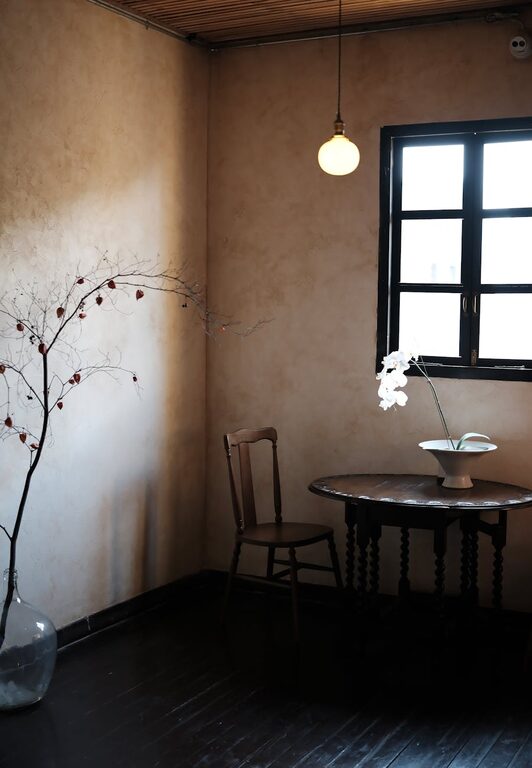
Creating a calm and quiet environment at home can greatly improve your overall well-being, making it easier to relax, work, or sleep. Whether you live in a busy neighborhood, share your space with family, or just want to cut down on everyday noise, there are simple and practical ways to reduce noise indoors. This post explores easy strategies you can implement to bring more peace and quiet to your living space.
Why Reducing Noise at Home Matters
Excessive noise can be more than just annoying — it can cause stress, interfere with concentration, and disrupt sleep. By managing the sounds inside your home, you create a sanctuary from the outside world. Noise reduction can also improve communication and make your environment feel more comfortable.
Assessing the Noise Sources
Before jumping into solutions, it’s helpful to identify where the noise comes from. Common sources include:
– Outdoor traffic and construction
– Noisy neighbors or shared walls
– Appliances and electronics
– Footsteps or voices within your home
– HVAC systems or plumbing
Once you know the main culprits, you can target the most effective noise reduction methods.
Simple Ways to Reduce Noise at Home
1. Use Soft Furnishings to Absorb Sound
One of the easiest ways to lower noise levels is by adding materials that absorb sound. Hard surfaces reflect noise, but soft items can help dampen it.
– Area rugs and carpets: Adding rugs, especially thick ones with padding underneath, can reduce noise from footsteps and echoes.
– Cushions and upholstered furniture: Sofas, chairs, and cushions help absorb sound waves.
– Curtains or drapes: Heavy fabric curtains can reduce noise from windows and outside streets.
2. Seal Gaps and Cracks
Sounds often sneak in through small gaps or cracks in windows, doors, and walls.
– Use weatherstripping around doors and windows.
– Apply acoustic caulk to seal gaps in molding, baseboards, and drywall.
– Install door sweeps to block noise from hallways or shared spaces.
3. Rearrange Furniture for Noise Buffers
Strategic furniture placement can create barriers that absorb or block sound.
– Place bookshelves filled with books against common walls.
– Use large furniture pieces to separate noisy areas.
– Position seating away from noisy windows or appliances.
4. Add Soundproofing Panels or Wall Treatments
For a more dedicated noise solution, consider applying soundproofing panels or materials to your walls.
– Acoustic foam panels are effective for reducing echoes and absorbing noise.
– Fabric wall hangings or tapestries also help with sound absorption.
– Cork or heavy wallpaper options provide additional dampening.
5. Manage Noise from Electronics and Appliances
Electronic devices and appliances can add to indoor noise. Reducing their sound output contributes to a quieter home.
– Choose quieter models when replacing appliances.
– Place noisy devices on mats or pads to minimize vibration.
– Perform regular maintenance to keep appliances running smoothly.
6. Use White Noise Machines or Soft Background Sounds
If some noise is unavoidable, masking it with pleasant background sounds may help.
– White noise machines generate consistent sound to cover disruptive noises.
– Fans or air purifiers can serve as gentle background noise.
– Soft music or nature sounds provide a calming audio environment.
7. Improve Window Sound Insulation
Windows are often weak points for noise intrusion.
– Install double or triple-pane windows when possible.
– Use window inserts to improve soundproofing without full window replacement.
– Add heavy curtains or blinds to block some external noise.
8. Control Noise Within Your Household
Sometimes reducing noise starts with habits.
– Encourage conversations at lower volumes.
– Use rugs on staircases to reduce footstep noise.
– Set quiet hours or zones within the home for undisturbed time.
Maintaining a Quieter Home Environment
Noise control is often an ongoing process. Regularly check for new noise sources and maintain existing soundproofing measures for the best results. Small changes can add up to a big difference in your home’s quietness.
Final Thoughts
Reducing noise at home doesn’t have to be complicated or expensive. By combining soft furnishings, sealing gaps, rearranging furniture, and considering simple soundproofing options, you can create a more peaceful and comfortable living space. Start with a few changes today and enjoy the benefits of a quieter home.